


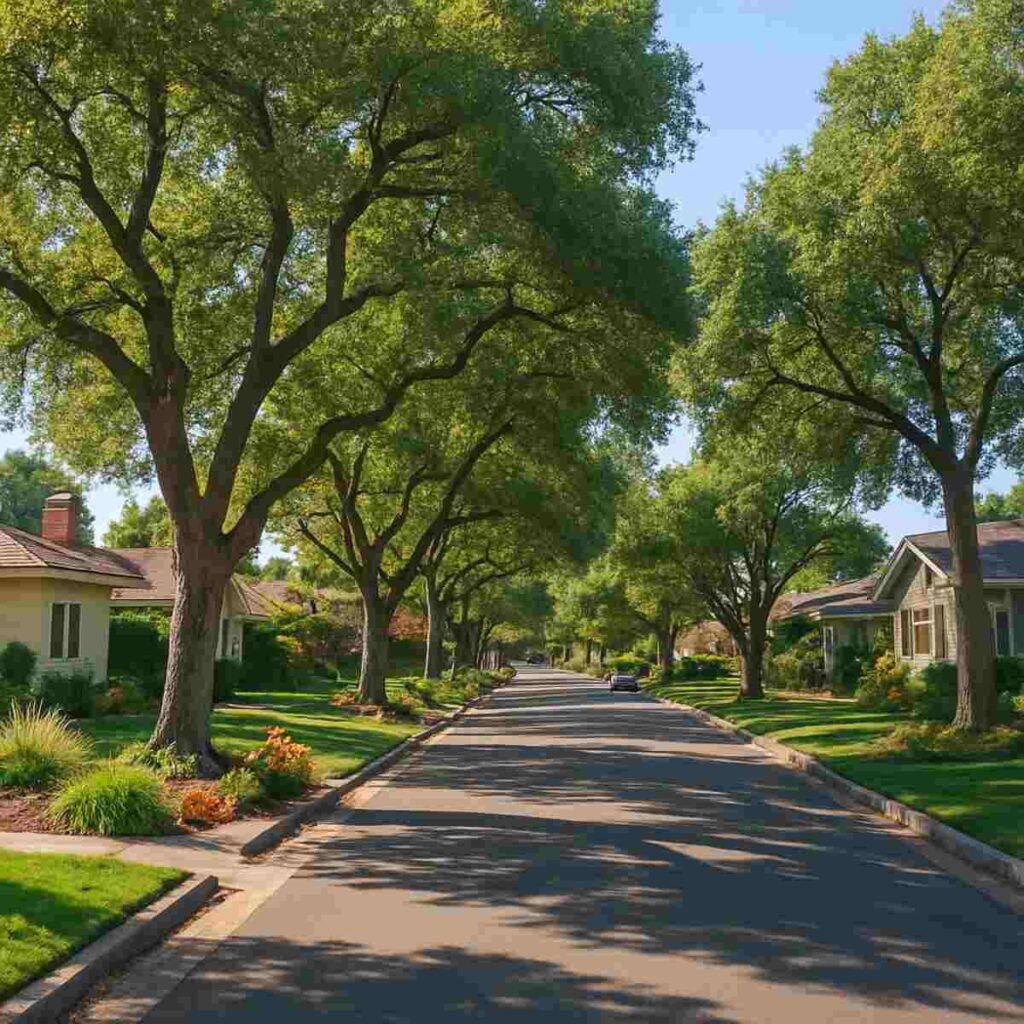
San Jose boasts a spectacular urban forest, blending historic native oaks with a diverse array of imported ornamentals and fruitful orchards. This vibrant canopy provides crucial shade, enhances property values, and contributes significantly to the unique charm of the South Bay. However, maintaining this greenery requires more than just occasional watering. The unique Mediterranean climate of Northern California, coupled with strict municipal regulations and localized environmental challenges, demands a proactive and knowledgeable approach to tree care. Find the best Tree Service San Jose.
Whether you are managing a sprawling historic property in Willow Glen or cultivating a modern, eco-friendly garden in Alviso, understanding the intricacies of proper arboriculture is essential. This comprehensive guide will walk you through everything you need to know about tree care in the region, from seasonal pruning strategies and navigating local ordinances to knowing exactly when to call a top-tier Tree Service San Jose relies on for expert care.
Understanding San Jose’s Unique Climate and Soil
To provide the best care for your trees, it is vital to first understand the environment in which they live. San Jose is situated in the Santa Clara Valley, characterized by a Mediterranean climate. This means long, hot, and dry summers followed by mild, moderately wet winters.
The Challenge of the Dry Season
Trees in this region experience significant drought stress for more than half the year. While native species have adapted to these conditions, many imported ornamentals require supplemental irrigation. The clay-heavy soils prevalent in much of Santa Clara County can further complicate matters. Clay soil drains slowly, which can lead to waterlogging and root rot during the rainy season, yet it turns rock-hard and repels water during the summer droughts.
Embracing Native Solutions
For modern property owners looking to reduce their environmental footprint and lower water bills, shifting toward drought-tolerant landscaping with native species is an increasingly popular and practical choice. Incorporating trees like the Coast Live Oak, California Buckeye, or Western Redbud not only reduces maintenance but also supports local wildlife and pollinators. Native trees are inherently designed to thrive in San Jose’s specific soil profiles and weather patterns, making them resilient centerpieces for sustainable landscaping.
The Art and Science of Pruning
One of the most common misconceptions in landscape maintenance is that cutting branches is a one-size-fits-all task. In reality, arboriculture distinguishes heavily between different types of cuts and their distinct purposes.
Clearing Up the Terminology
Understanding the tree trimming vs tree pruning differences is crucial for property owners.
- Tree Trimming: This term is generally applied to grooming shrubs, hedges, and small ornamental trees to maintain a specific shape or aesthetic. It involves cutting back overgrown branches to keep the plant looking tidy.
- Tree Pruning: Pruning is a targeted, scientific process aimed at improving the overall health, safety, and structural integrity of the tree. It involves the strategic removal of dead, diseased, crossing, or structurally unsound branches.
Starting Young for Long-Term Health
For newly planted trees, the first few years are the most critical. Investing in structural pruning for young tree development is one of the best financial decisions a property owner can make. By selectively removing co-dominant stems (competing trunks) and establishing a strong central leader, an arborist ensures the tree grows with a balanced, robust architecture. This early intervention prevents catastrophic limb failures decades down the line when the tree is massive and heavily weighted.
Caring for California’s Heritage Oaks
San Jose is home to thousands of magnificent native oaks. These trees are highly sensitive to improper pruning, particularly during the wrong time of year. So, when is the best time to prune California native oaks?
The golden rule for native oaks (such as the Coast Live Oak or Valley Oak) is to prune them only during the dry summer months (July through September). Pruning them during the wet winter or damp spring exposes the fresh pruning wounds to waterborne pathogens and fungal spores. Maintaining dry cuts ensures the tree can compartmentalize the wound safely, preventing devastating decay.
Cultivating the Silicon Valley Orchard
Before it was the tech capital of the world, the Santa Clara Valley was widely known as the “Valley of Heart’s Delight,” famous for its endless orchards of apricots, plums, cherries, and citrus. Today, many homeowners keep this rich agricultural heritage alive in their own backyards.
Strategies for Bountiful Yields
Proper fruit tree maintenance in Silicon Valley requires a dedicated, year-round schedule. Fruit trees are generally higher maintenance than standard shade trees because they are cultivated specifically for yield rather than natural growth habits.
Here are actionable tips for your backyard orchard:
- Winter Dormant Pruning: For deciduous stone fruits (peaches, plums, apricots, cherries), heavy pruning should occur in late winter while the tree is completely dormant. This stimulates vigorous spring growth and opens the canopy to sunlight, which is necessary for fruit ripening.
- Summer Pruning for Size Control: To keep fruit trees manageable and within picking reach, many San Jose arborists recommend a secondary, lighter pruning in the summer. This limits the overall height of the tree.
- Nutrient Management: Fruit trees rapidly deplete the soil of nutrients. Applying a balanced organic fertilizer right as buds begin to swell in late winter ensures the tree has the energy reserves needed for blossom and fruit production.
- Thinning the Fruit: It may feel counterintuitive, but manually removing some of the immature fruit early in the season results in larger, sweeter, and higher-quality fruit at harvest time, while also preventing heavy branches from snapping under the weight.
Navigating Local Regulations and Permits
The City of San Jose places a high value on its urban canopy. As a result, property owners do not have carte blanche to alter or remove large trees, even if those trees are on private residential property. Ignorance of local laws can result in hefty fines and legal complications.
Understanding Protected Trees
Familiarizing yourself with the city of San Jose protected tree ordinances is a critical first step before scheduling any major tree work. Under the current municipal code, a tree is generally considered “Ordinance Sized” or “Protected” if it meets specific size criteria:
- Any tree located on single-family or duplex lots that measures 56 inches or more in circumference (approximately 18 inches in diameter) at a height of 2 feet above the ground.
- Any tree of any size located in the public right-of-way (street trees).
- Specific heritage trees that have been officially designated by the city council due to their historical significance or exceptional size.
It is illegal to significantly prune (removing more than 25% of the canopy) or remove these trees without explicit permission from the city.
The Permit Application Process
If you have a protected tree that is dead, dying, or causing severe structural damage to your foundation, you must navigate the legal channels. Knowing how to obtain a San Jose tree removal permit will save you immense frustration.
- Gather Information: Measure the circumference of the tree at 24 inches above grade. Take clear photographs of the tree, emphasizing any damage, disease, or structural hazards.
- Consult a Professional: You will likely need a formal assessment. The city frequently requires a written report from a credentialed expert to justify the removal.
- Submit the Application: Applications are submitted through the San Jose Department of Planning, Building, and Code Enforcement. You can often start this process online through the city’s permit portal.
- Wait for the Notice Period: If the initial permit is approved, the city usually requires a public notice to be posted on the property for a specified period (often 7 to 10 days) allowing neighbors to appeal the decision.
- Replanting Requirements: In almost all cases, the city will mandate that you plant a replacement tree (usually a 15-gallon minimum size) on the property to offset the loss of the urban canopy.
Planning for Home Improvements
If you are planning an addition, building an Accessory Dwelling Unit (ADU), or installing a new driveway, tree protection must be factored into your blueprints. The city will require an arborist report for construction planning. This detailed document outlines the location of all protected trees on the site, calculates their critical root zones, and dictates mandatory protective measures (like chain-link fencing) to ensure the trees survive the construction process unharmed.
Identifying and Managing Tree Hazards
While trees are beautiful assets, they can transition into significant liabilities if their structural integrity is compromised. Recognizing the warning signs early can prevent property damage, injury, and costly emergency interventions.
What to Look For
Identifying hazardous trees on residential property requires a keen eye and routine inspections. You should conduct a visual check of your large trees at least twice a year, and immediately following major weather events. Look for these red flags:
- Root Heaving: If the soil on one side of the tree is suddenly pushed up, or if the tree develops a severe, new lean, the root system is failing. This is an immediate fall hazard.
- Deep Cracks and Cavities: Large, vertical cracks in the main trunk or deep cavities where branches meet the trunk suggest severe internal decay.
- Deadwood: Large, leafless branches that are dry and brittle (widow-makers) can fall at any moment, even on calm, windless days.
- Fungal Growth: The presence of mushrooms, conks, or brackets growing directly on the trunk or at the base of the roots is a definitive sign of internal wood rot.
Dealing with Eucalyptus Dangers
One of the most frequent sources of hazard in the South Bay is the Blue Gum Eucalyptus. Originally imported from Australia during the Gold Rush era for timber, these massive trees dot the California landscape. However, they are highly problematic in residential areas.
They are notorious for “sudden limb drop”—shedding massive, heavy branches without warning. Additionally, their peeling bark and highly volatile, oil-rich leaves make them extreme fire hazards. Because of their sheer size, brittle wood, and proximity to homes and power lines, the safe removal of large eucalyptus trees is a highly technical operation. It requires specialized rigging equipment, cranes, and a highly coordinated team of experienced arborists to dismantle the tree piece by piece safely.
When the Worst Happens
Despite all preventative measures, severe weather can overwhelm even healthy trees. San Jose’s winters occasionally bring intense “atmospheric river” storms characterized by torrential, soil-saturating rains combined with high-velocity winds. Saturated soil loses its grip on tree roots, leading to widespread uprooting.
When a tree falls onto a roof, crushes a vehicle, or blocks a public roadway, time is of the essence. You need emergency tree removal for storm damage to mitigate further destruction and secure the property. In these high-stress situations, it is imperative to contact a reliable emergency tree service that operates 24/7. These rapid-response teams utilize cranes and heavy machinery to lift the dangerous weight off structures without causing additional collapse.
Pests and Pathogens of Northern California
The health of your landscape is also threatened by microscopic invaders and insect infestations. Changes in climate patterns, prolonged droughts, and global trade have introduced or exacerbated several biological threats.
Recognizing the Enemies
Familiarizing yourself with the common pests affecting Northern California trees will help you catch infestations before they become fatal.
- Sudden Oak Death (SOD): This devastating water mold pathogen (Phytophthora ramorum) has killed millions of oaks across California. Symptoms include bleeding cankers on the trunk (oozing a dark, reddish-brown sap) and rapid browning of the leaves.
- Bark Beetles: Drought-stressed trees, particularly pines and oaks, emit chemical signals that attract bark beetles. These tiny insects bore into the bark, laying eggs and introducing fungi that choke off the tree’s vascular system. Look for “pitch tubes” (small blobs of sap) or fine, sawdust-like frass at the base of the trunk.
- California Oakworm: Every few years, populations of the oak moth explode. Their caterpillars can completely defoliate an entire oak tree in a matter of weeks. While mature, healthy oaks can usually survive a defoliation event, repeated years of infestation can weaken the tree severely.
- Aphids and Scale: Commonly found on fruit trees, maples, and crape myrtles, these sap-sucking insects drain the plant’s vitality. They also secrete “honeydew,” a sticky substance that coats everything below the tree and promotes the growth of unsightly black sooty mold.
Treatment and Management
Managing pests successfully relies on Integrated Pest Management (IPM). This approach prioritizes cultural care (proper watering, mulching, and pruning to keep the tree naturally resilient) before turning to chemical solutions. When treatments are necessary, a professional tree care service can apply targeted, eco-friendly systemic treatments that eliminate the pests without harming beneficial insects like ladybugs and bees.
The Aftermath: Stump Grinding and Site Restoration
Removing a tree is only part of the job. Once the trunk and canopy are gone, property owners are left with an unsightly stump. Leaving a stump in the ground can cause numerous problems: it poses a tripping hazard, attracts termites and carpenter ants, can sprout annoying new shoots, and takes up valuable landscaping real estate.
Why Professional Grinding is the Solution
Digging out a massive root system by hand is nearly impossible, and using chemicals to rot the stump can take years and introduce toxins into your soil. Stump grinding is the most efficient and effective method of removal. Heavy-duty grinders use a spinning carbide-tipped wheel to chew the stump and major surface roots down into small wood chips, usually 6 to 12 inches below the surface of the soil.
Understanding the Investment
Many homeowners wonder about the cost of professional stump grinding. Several variables influence the final price:
- Size (Diameter): This is the primary factor. The wider the stump, the longer it takes to grind.
- Species of Wood: Hardwoods (like oak or walnut) take more time and wear down equipment faster than softwoods (like pine).
- Root Extension: If extensive surface roots (chasing roots) need to be ground out to allow for laying sod or pouring concrete, the cost will increase.
- Location and Accessibility: A stump located in a wide-open front yard is easily accessible by a large, tow-behind grinder. A stump in a narrow side yard behind a small gate requires bringing in a smaller, self-propelled grinder, which takes longer and may cost more.
- Debris Removal: Grinding produces a substantial mound of wood chips and dirt. Leaving the mulch on-site to fill the hole or spread in garden beds is standard, but having the crew haul the debris away entirely will add to the fee.
Making the Right Choice: Hiring Professionals
Tree work is consistently ranked as one of the most dangerous professions in the country. It involves heavy machinery, chainsaws, high altitudes, unpredictable wood physics, and proximity to high-voltage electrical lines. This is unequivocally not a domain for DIY enthusiasts or budget handymen.
The Importance of Proper Credentials
When looking for a Tree Service San Jose ca residents can trust, the absolute first requirement must be strict adherence to legal and safety standards. Hiring a licensed and insured tree contractor protects you from catastrophic financial liability.
- State License: In California, anyone doing tree work totaling $500 or more must hold a valid C-61 / D-49 Tree Service Contractor license issued by the Contractors State License Board (CSLB).
- General Liability Insurance: This protects your home and property. If a contractor drops a massive log on your roof, their insurance pays for the repairs, not yours.
- Workers’ Compensation Insurance: This is arguably the most critical piece of paper. If a worker falls from a tree or injures themselves on your property, and the company does not have workers’ compensation, you can be sued for their medical bills and lost wages. Always ask for proof of insurance to be sent directly from the insurance broker.
The Value of Certified Arborists
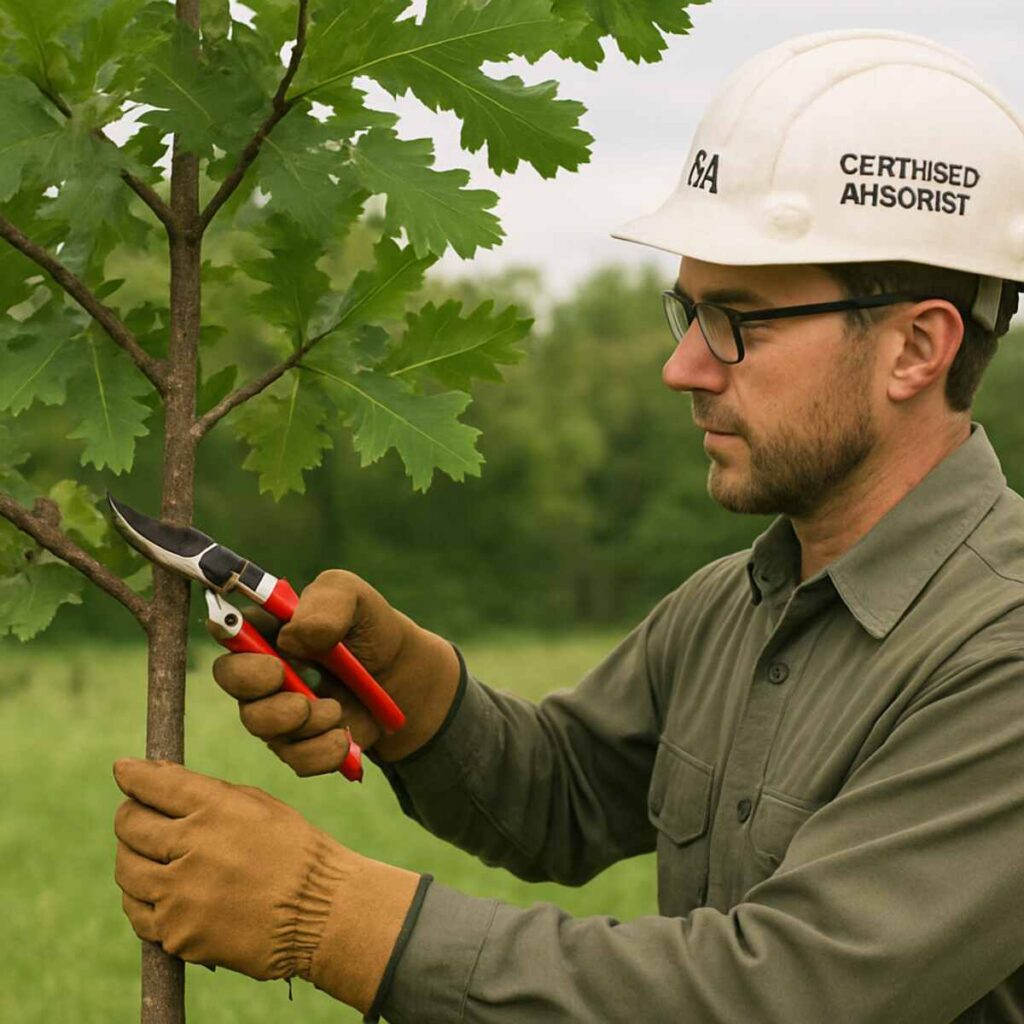
While a license proves a contractor is legally allowed to operate, it does not necessarily prove they understand the biological needs of your trees. This is why you must seek out an ISA certified arborist Santa Clara County trusts.
The International Society of Arboriculture (ISA) is the gold standard for tree care professionals. Achieving this certification requires years of documented, hands-on experience, passing a rigorous examination covering tree biology, diagnosis, maintenance practices, and safety, as well as mandatory continuing education to stay updated on the latest scientific research.
When you hire a company staffed by ISA Certified Arborists, you are hiring a team that knows:
- How to properly sanitize tools between trees to prevent the spread of diseases like Fire Blight.
- Exactly where to make a pruning cut so the tree heals rapidly.
- How to evaluate soil compaction and root health.
- When a tree can be saved with cabling, bracing, and weight reduction, versus when it is a definitive lost cause requiring removal.
A Year-Round Approach to Tree Care in San Jose
To encapsulate the best practices, consider adopting a seasonal checklist tailored to the San Jose environment.
- Spring: Focus on pest inspections and deep root fertilization for struggling trees. Once the spring rains stop, check your irrigation systems to ensure trees, especially young ones, are receiving adequate, deep watering rather than shallow surface sprinkling.
- Summer: This is the prime time for pruning native oaks. Monitor trees closely for drought stress (yellowing leaves, early leaf drop). Maintain a thick 3-to-4-inch layer of organic mulch around the base of your trees (keeping the mulch pulled a few inches back from the trunk) to retain soil moisture and regulate root temperature.
- Autumn: Prepare your fruit trees for winter. Clean up fallen leaves and debris, especially if the tree suffered from fungal issues over the summer, to prevent pathogens from overwintering in the soil.
- Winter: This is dormant pruning season. It is the best time to prune fruit trees, maples, and elms. It is also the critical time to assess the structural integrity of large evergreens before the heavy winter storms and high winds arrive.
Conclusion
The urban forest of Santa Clara County is a dynamic, living ecosystem that requires respect, understanding, and ongoing maintenance. From selecting the right native species for drought-tolerant landscaping to navigating the complexities of municipal removal permits, every decision impacts the safety and beauty of your property.
Trees are generational assets. When they are properly maintained, they shade our homes, purify our air, and stand as silent sentinels watching over our neighborhoods for decades. Never underestimate the complexities of proper arboriculture. By understanding the distinct needs of your canopy and insisting on hiring a fully qualified, insured Tree Service San Jose expert, you ensure that your green investments will continue to thrive, safely and beautifully, for generations to come.