


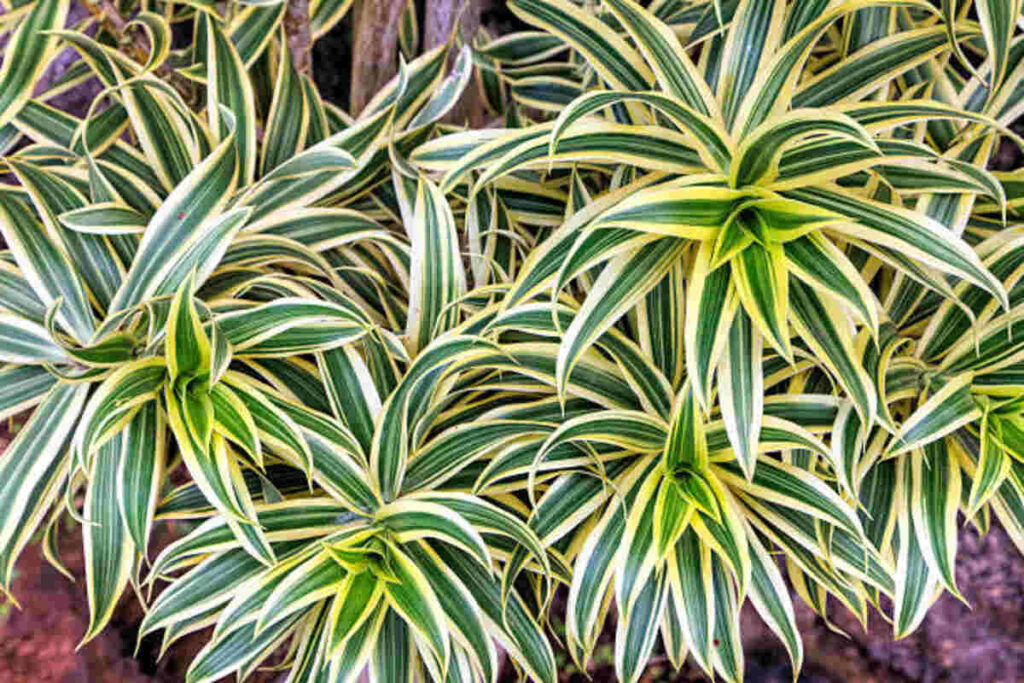
If you’re looking for a captivating addition to your indoor garden, the Song of India plant (Dracaena reflexa) might be the perfect choice. This tropical gem has become a favorite among plant enthusiasts with its striking foliage and low-maintenance care requirements. In this comprehensive guide, we’ll delve into the world of Song of India plants, exploring their various types, care instructions, propagation methods, and more. Let’s embark on a green journey!
What is a Song of India Plant?
A Song of India plant, scientifically known as Dracaena reflexa, is a popular ornamental houseplant or outdoor landscaping plant that belongs to the Dracaena genus. It is native to Madagascar and other Indian Ocean islands. The plant is known for its attractive, arching leaves, typically dark green with yellow or cream-colored stripes along the edges. These leaves can grow up to 2 feet long, creating a lush and tropical appearance.
Song of India plants are valued for their decorative qualities and are often used as indoor plants or as part of outdoor garden landscapes in tropical and subtropical regions. They are relatively easy to care for, making them a favorite among plant enthusiasts and gardeners. Here are some essential care tips for a Song of India plant:
- Light: These plants prefer bright, indirect sunlight. They can tolerate some shade but should not be placed in direct, harsh sunlight, as it can scorch their leaves.
- Watering: Allow the top inch or so of the soil to dry out between waterings. Overwatering can lead to root rot, so keeping the ground cool is essential. During the growing season (spring and summer), water more frequently, and reduce watering in the winter when the plant is dormant.
- Humidity: Song of India plants appreciate higher humidity levels. You can increase humidity by misting the plant, using a humidity tray, or placing a humidifier nearby, especially if you live in a dry climate.
- Temperature: These plants thrive in temperatures between 65°F to 80°F (18°C to 27°C). They can tolerate slightly cooler temperatures but should be protected from frost.
- Fertilizing: Feed the plant with a balanced liquid fertilizer every 2-4 weeks during the growing season (spring and summer). Reduce or eliminate fertilization during the winter months.
- Pruning: Prune the plant to maintain its shape and remove dead or yellowing leaves. This helps encourage new growth and keeps the plant looking healthy.
- Repotting: Repot your Song of India plant when it becomes root-bound or outgrows its pot. This is typically done every 2-3 years, preferably in the spring.
- Pests and Diseases: Look for common houseplant pests like spider mites, mealybugs, and scale insects. Treat any infestations promptly with appropriate insecticides or by cleaning the affected areas.
Song of India plants are relatively low-maintenance and can thrive with proper care. They add a touch of elegance and tropical beauty to indoor and outdoor spaces, making them a popular choice among plant enthusiasts.
Types of Song of India Plants
The term “Song of India” is commonly used to refer to several different plant species, most of which belong to the Dracaena and Cordyline genera. These plants are often grown for their attractive foliage and are popular choices for indoor or outdoor landscaping. Here are some common types of Song of India plants:
- Dracaena reflexa (Song of India): One of the most well-known Song of India plants. It has long, arching, variegated green leaves with yellow stripes or edges. It’s a popular choice for indoor houseplants.
- Cordyline fruticosa (Ti plant): Although not always referred to as Song of India, some cultivars of Cordyline fruticosa have leaves with striking variegation and color patterns. These plants are often grown in tropical landscapes.
- Dracaena marginata (Madagascar Dragon Tree): While not precisely a Song of India plant, the Madagascar Dragon Tree is a close relative. It has narrow, pointed leaves that can have red or pink edges, and it’s a popular choice for indoor decoration.
- Dracaena sanderiana (Lucky Bamboo): This plant, often sold as “Lucky Bamboo,” is not bamboo but a type of Dracaena. It has slender, upright stems with green foliage and is commonly grown in water.
- Dracaena compacta (Dwarf Dracaena): This variety has compact, bushy growth with dark green leaves. It’s often used as an indoor ornamental plant.
- Cordyline australis (Cabbage Tree or Torbay Palm): Some varieties of Cordyline australis have colorful foliage and may be referred to as Song of India due to their striking appearance.
- Cordyline terminalis (Ti plant or Good Luck Plant): Another Cordyline species, Cordyline terminalis, is grown for its colorful and variegated leaves. It’s often associated with Hawaiian culture.
- Dracaena fragrans (Corn Plant): Although not typically referred to as Song of India, some Dracaena fragrans varieties have variegated leaves that may resemble those of Dracaena reflexa.
These are just a few examples of the types of plants commonly called Song of India or closely related. Each class has unique appearance and care requirements, making them versatile choices for adding greenery and color to indoor and outdoor spaces.
Caring for Your Song of India Plant


The Song of India plant, scientifically known as Dracaena reflexa, is a popular indoor ornamental plant known for its striking foliage. You must provide the proper care to ensure your Song of India plant thrives and remains healthy. Here are some essential care guidelines:
- Light: Place your Song of India plant in bright, indirect light. It can tolerate some direct sunlight, but too much can scorch its leaves. If you notice the leaves turning brown or yellow, it may be getting too much sun.
- Temperature: This plant prefers temperatures between 65°F to 80°F (18°C to 27°C). Avoid exposing it to drafts or extreme temperature fluctuations.
- Watering: Keep the soil consistently moist but not soggy. Allow the soil’s top inch (2.5 cm) to dry before watering. Water thoroughly, ensuring that excess water drains from the pot. Empty the saucer under the pool to prevent root rot.
- Humidity: Song of India plants appreciate higher humidity levels. You can increase humidity by misting the plant regularly or placing a water tray near the plant. Alternatively, use a humidifier to maintain an ideal humidity level.
- Fertilization: Feed your Song of India plant with a balanced, liquid fertilizer every 4-6 weeks during the growing season (spring and summer). Reduce or eliminate fertilization during winter when the plant’s growth slows down.
- Pruning: Trim the plant to maintain its shape and remove any yellow or damaged leaves. Regular pruning can encourage bushier growth.
- Repotting: Younger Song of India plants may need to be repotted every 2-3 years, while older ones can go longer between repottings. Repot in the spring using a well-draining potting mix.
- Pests and Diseases: Look for common houseplant pests like spider mites and mealybugs. If you notice any infestations or signs of disease (such as yellowing leaves with brown spots), treat the plant promptly with appropriate remedies, like insecticidal soap or neem oil.
- Support: As your Song of India plant grows taller, it may become top-heavy and lean. Use stakes or supports to help it maintain an upright shape.
- Propagation: You can propagate the Song of India plant through stem cuttings. Allow the cuttings to callus for a day or two before planting them in a well-draining potting mix.
Remember that individual plant needs vary, so observing your Song of India plant and adjusting care accordingly is essential. With proper attention to light, water, and maintenance, your Song of India plant can thrive and bring tropical beauty to your indoor space.
Propagation of Song of India Plants
Propagation of Song of India plants, scientifically known as Dracaena reflexa or Dracaena compacta, can be done through several methods. Here are two standard methods for propagating Song of India plants:
Stem Cuttings:
- Select a Healthy Stem: Look for a healthy stem with several leaves. Choosing a branch at least 4-6 inches long is best.
- Cut the Stem: Use a clean, sharp pair of pruning shears or scissors to make a clean cut just below a leaf node. A leaf node is where a leaf attaches to the stem.
- Remove Lower Leaves: Trim off the lower leaves, leaving a few leaves at the top.
- Let It Callus: Allow the cut end of the stem to air dry and callus for a day or two. This helps prevent rotting when you plant it.
- Plant in Soil: Plant the callused end of the stem in a well-draining potting mix. Water it lightly, and place the cutting in a bright, indirect light location.
- Maintain Moisture: Keep the soil consistently moist but not soggy. You can cover the cutting with a plastic bag or dome to create a mini-greenhouse effect, which will help maintain humidity around the cutting.
- Rooting: Roots should develop in a few weeks to a few months, and you’ll notice new growth. Once the cutting has established roots and grows well, you can transplant it into a larger pot or your desired location.
Air Layering:
- Select a Branch: Choose a healthy Song of India plant branch.
- Make a Wound: About a foot or so from the tip of the branch, make a shallow, horizontal cut through the outer bark and cambium layer. This cut should be about 1-2 inches long.
- Apply Rooting Hormone: A rooting hormone (available at garden centers) to the wounded area to encourage root development.
- Wrap with Moss: Pack moist sphagnum moss around the wounded area and wrap it with plastic wrap or aluminum foil to hold the moss in place.
- Secure the Wrapping: Ensure the wrapping is secure and airtight, but not too tight to restrict the growth of the branch.
- Wait for Roots: Roots will form within the moss ball over several weeks to a few months.
- Cut and Transplant: Once you see sufficient roots, cut the branch below the moss ball and transplant it into a pot with well-draining soil.
Remember to keep the newly propagated plants in a warm, humid environment with bright, indirect light until well-established. Propagation success may vary, so it’s a good idea to propagate multiple cuttings or branches to increase your chances of success. Additionally, it’s essential to be patient, as propagating plants can take some time.
Common Problems and Solutions
The Song of India plant, scientifically known as Dracaena reflexa, is a popular indoor plant known for its attractive, variegated foliage. Like all houseplants, it can face problems that may affect its health and appearance. Here are some common issues you might encounter with your Song of India plant and their respective solutions:
Yellowing Leaves:
- Problem: Yellowing leaves are often a sign of overwatering or poor drainage.
- Solution: Allow the soil to dry out between watering sessions. Ensure the pot has proper drainage, and consider repotting in well-draining soil if necessary.
Brown Tips on Leaves:
- Problem: Brown leaf tips can indicate low humidity, over-fertilization, or exposure to dry air.
- Solution: Increase humidity around the plant by misting it regularly or using a humidifier. Reduce the frequency of fertilization, and avoid placing the plant near heaters or air vents.
Drooping or Wilting Leaves:
- Problem: This can be due to underwatering, especially if the soil has become too dry.
- Solution: Water the plant thoroughly, making sure water reaches the root zone. Ensure proper drainage to prevent waterlogged soil.
Leggy Growth:
- Problem: Leggy growth with sparse leaves is often a result of insufficient light.
- Solution: Place the Song of India plant in bright, indirect sunlight. You can also prune the leggy stems to encourage bushier growth.
Posts:
- Problem: Pests affecting this plant include spider mites, mealybugs, and scale insects.
- Solution: Isolate the plant and treat it with insecticidal soap or neem oil. Regularly inspect the plant for pests and take action as soon as you notice them.
Leaf Drop:
- Problem: Excessive leaf drop may result from stress, abrupt changes in environmental conditions, or root issues.
- Solution: Maintain stable environmental conditions, avoid sudden temperature changes, and ensure the plant is in an appropriately sized pot with well-draining soil.
Root Rot:
- Problem: Root rot can occur if the plant is consistently overwatered or if the soil needs to drain well.
- Solution: Trim away affected roots and repot the plant in fresh, well-draining soil. Adjust your watering routine to prevent future overwatering.
Faded or Discolored Leaves:
- Problem: This can result from exposure to direct sunlight or temperature extremes.
- Solution: Move the plant to a location with indirect sunlight, away from drafts or extreme temperatures.
Lack of Growth:
- Problem: Stunted growth can occur due to nutrient deficiency, poor soil quality, or low light levels.
- Solution: Fertilize the plant with a balanced, water-soluble fertilizer during the growing season, and ensure it receives adequate light.
Yellow Bands on Leaves:
- Problem: Yellow bands or streaks on the leaves can indicate a viral infection.
- Solution: Remove and dispose of affected leaves to prevent the spread of the virus. Isolate the plant from other houseplants.
Regularly inspecting your Song of India plant and providing proper care can help prevent many of these common problems. Patience and consistency in care are vital to maintaining a healthy and vibrant indoor plant.
Benefits of Having a Song of India Plant
The Song of India plant, scientifically known as Dracaena reflexa or Pleomele reflexa, is famous for indoor and outdoor landscaping due to its numerous benefits. Here are some of the advantages of having a Song of India plant:
- Air Purification: Song of India plants are excellent air purifiers. They can help remove indoor pollutants such as formaldehyde, xylene, and toluene, improving the air quality in your home or office.
- Aesthetic Appeal: With its striking variegated foliage featuring green leaves with cream or yellow stripes, the Song of India adds a touch of elegance and beauty to any indoor or outdoor space.
- Low Maintenance: These plants are relatively low maintenance and can thrive in various conditions. They are suitable for both novice and experienced gardeners.
- Versatile: Song of India plants can be grown indoors as houseplants or outdoors as ornamental shrubs. They can be used in containers, as borders, or landscaping, offering design versatility.
- Adaptability: They are known for their resilience and adaptability to different light conditions. While they prefer bright, indirect light, they can tolerate low light conditions better than many other plants.
- Drought Tolerance: Song of India plants are relatively drought-tolerant once established. They don’t require constant watering and can withstand periods of neglect.
- Natural Décor: These plants add a tropical touch to your space, making them an attractive choice for interior decoration. Their vibrant foliage can complement a variety of interior design styles.
- Non-Toxic: Song of India plants are non-toxic to pets, making them a safe choice for households with dogs or cats.
- Symbolic Significance: In some cultures, the Song of India plant is associated with good luck, prosperity, and positive energy, making it a popular choice for gift-giving.
- Stress Reduction: Having indoor plants like the Song of India has been shown to reduce stress and increase feelings of well-being, creating a more pleasant living environment.
- Natural Humidifiers: These plants release moisture into the air through transpiration, increasing indoor humidity levels, which can be beneficial, especially in dry climates or winter.
The Song of India plant offers a range of benefits, from improving air quality and aesthetics to being adaptable and low-maintenance. Whether you want to enhance your indoor space or beautify your outdoor garden, this versatile plant can be an excellent choice.
Decorating with Song of India Plants


Decorating with Song of India plants (Dracaena reflexa) can add a touch of tropical elegance to your home or office. These versatile plants are known for their vibrant green and yellow variegated leaves, making them a popular choice for interior decoration. Here are some ideas and tips on how to decorate with Song of India plants:
- Choose the Right Location: Song of India plants thrive in bright, indirect light. Place them near a window with filtered sunlight, but avoid direct sunlight, as it can scorch their leaves. If you don’t have sufficient natural light, you can use artificial grow lights to maintain their health and vibrancy.
- Select Stylish Containers: Plant your Song of India in decorative containers or pots that complement your interior decor. Consider ceramic, terracotta pots or modern planters to enhance the overall aesthetic.
- Grouping: Grouping multiple Song of India plants in varying heights and pot sizes can create an eye-catching display. This arrangement adds depth and texture to your space, making it more visually appealing.
- Solo Statement: Alternatively, a single, well-placed Song of India plant can be a focal point in a room. Consider putting it on a plant stand or pedestal to draw attention.
- Mix and Match: Combine Song of India plants with other indoor plants to create an attractive indoor garden. Mixing different textures and shapes can make your plant display more dynamic and visually appealing.
- Use Hanging Baskets: Song of India plants also work well in hanging baskets. The cascading foliage adds a unique dimension to your decor, especially in areas with limited floor space.
- Regular Pruning: Keep your Song of India plants looking their best by regularly pruning any yellow or brown leaves. This not only improves their appearance but also encourages new growth.
- Maintenance: Song of India plants are relatively low-maintenance. Water them when the top inch of soil feels dry and fertilize them with a balanced liquid fertilizer during the growing season (spring and summer).
- Decorate Various Spaces: Song of India plants are versatile and can be placed in different rooms like the living room, bedroom, or bathroom. Their elegant foliage can complement various interior styles, from modern to bohemian.
- Seasonal Decor: For special occasions or holidays, you can decorate your Song of India plant with string lights, ornaments, or seasonal-themed pot covers to add a festive touch to your decor.
- Consider Color Schemes: When selecting pots or decor items to go with your Song of India plants, consider your existing color schemes. Coordinating the colors can create a more harmonious and appealing look.
Remember that Song of India plants are beautiful and help improve indoor air quality by filtering out pollutants. With proper care and placement, these plants can become integral to your interior decoration, adding a touch of nature’s beauty.
Is the Song of India Plant Toxic to Pets?
Yes, the Song of India plant (Dracaena reflexa), the Pleomele or Madagascar Dragon Tree, is considered toxic to pets, including dogs and cats. This plant contains compounds called saponins, which can be harmful if ingested by animals.
Common symptoms of toxicity in pets after consuming parts of the Song of India plant may include:
- Vomiting
- Diarrhea
- Drooling
- Loss of appetite
- Increased heart rate
- Lethargy
- Dilated pupils (in cats)
- Gastrointestinal upset
In severe cases or if a large amount of the plant is ingested, more serious symptoms such as difficulty breathing and increased heart rate can occur. If you suspect your pet has ingested any part of a Song of India plant and is exhibiting these symptoms, seeking immediate veterinary attention is crucial.
To prevent such situations, it’s advisable to keep toxic plants like the Song of India out of reach of pets or consider choosing pet-safe indoor plants to ensure the well-being of your furry friends.
Frequently Asked Questions
How often should I water my Song of India plant?
The frequency of watering depends on factors like humidity and light. Generally, water when the top inch of soil is dry.
What are the best indoor locations for Song of India plants?
Choose spots with bright, indirect light, such as near a north or east-facing window.
Can I keep my Song of India plant on my desk at work?
Absolutely! Song of India plants make excellent desk companions, adding a touch of nature to your workspace.
How can I make my Song of India plant grow faster?
Provide optimal care, including proper lighting, humidity, and regular fertilization during the growing season.
What should I do if my Song of India plant's leaves turn brown?
Trim the affected leaves and adjust your watering and care routine to prevent further browning.
Conclusion
The Song of India plant is a beautiful and manageable addition to your indoor garden. With the proper care, it will reward you with its vibrant foliage and air-purifying qualities. So, bring a touch of tropical elegance into your home with this delightful plant.
Read also: Snake Plant Benefits: Harnessing Nature’s Wonders